La
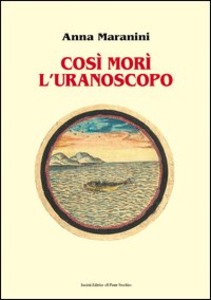
Prof.ssa Anna Maranini, studiosa di letteratura medievale e
umanistica, ha pubblicato un originale studio sulla figura
dell’uranoscopus,
ovvero la raffigurazione di un pesce con gli occhi rivolti verso il
cielo che era simbolo dell’attitudine umana a cercare le proprie
origini divine. Il libro prende le mosse dalla descrizione del pesce
uranoscopus
dell’umanista Gioachino Camerario il Giovane (1534-1598). Fin
dall’antichità la postura eretta dell’uomo era interpretata come
un anelito ad elevare l’anima alle altezze del cielo, e il
Cristianesimo aveva accolto e sviluppato questo tema culturale. Già
Platone aveva indicato l’origine dei quadrupedi negli uomini che
non si occupavano di filosofia e che non prendevano in considerazione
la natura degli oggetti celesti; sulla scia di queste concezioni il
pensiero cristiano riteneva che l’uomo era stato conformato in modo
da poter agevolmente guardare al cielo per poter contemplare il suo
creatore.
L’immagine
dell’uranoscopus
andava a confondersi con varie tipologie di pesci più o meno
fantastici che venivano descritti nei lessici, nei bestiarii
e nelle opere astrologiche del Medioevo. Ad aumentare la confusione
contribuivano anche i copisti che, confondendo la grafia delle
lettere, leggevano ad esempio granius
al posto di uranius
dando luogo a equivoci che si perpetuavano da un testo all’altro.
Anche a causa di questi malintesi talvolta altri animali assumevano
caratteristiche di uranoscopus,
ad esempio nelle Derivationes
di Uguccione da Pisa l’animale uranoscopus
era il bue. Le etimologie si confondevano ed erano prese di volta in
volta dall’ebraico, dall’arabo, dal persiano, dall’etiopico…
Ne
L’Acerba
di Cecco d’Ascoli, compare un “Orospo”, che non viene descritto
come un pesce, ma come un animale con un solo occhio rivolto verso
l’alto e con la schiena ricoperta di peli bianchi. La parola usata
da Cecco veniva facilmente interpretata come “rospo” in virtù
della facile assonanza, ma è evidente che derivava da errate letture
della grafia dei codici manoscritti.
La
lessicografia accoglieva anche il lemma contrario: il catoblepa,
che era riferito ad animali che avevano lo sguardo costantemente
rivolto verso il basso, segno incontrovertibile di attitudini
demoniache.
Il
tema dell’uranoscopus
continuò ad avere fortuna anche in piena epoca umanistica, sia nel
mondo cattolico che in quello protestante, anche se gli autori
cercavano di usare un linguaggio allusivo e non troppo diretto per il
timore di incappare nelle scomuniche e negli interdetti che
fioccavano in entrambi i campi quando si trattavano temi spirituali.
Poi, verso la fine del XVII° secolo cominciarono a essere pubblicati
manuali scientifici sui pesci che mettevano ordine nella varia
mitologia che si era accumulata sull’argomento.
L’affascinante
storia dell’uranoscopus
è esemplificativa di temi che si sono manifestati nella concezione
della philosophia
perennis,
che imponeva una continua ricollocazione delle idee dalla filosofia
alla teologia, dalla mitologia alle credenze popolari, dalla magia
alla simbologia, in un continuo riesame dei concetti di razionalità
e di mistero.
Anna
Maranini, Così
morì l’uranoscopo,
Società Editrice «Il Ponte Vecchio», Cesena 2006, pp. 272
Comments
Post a Comment